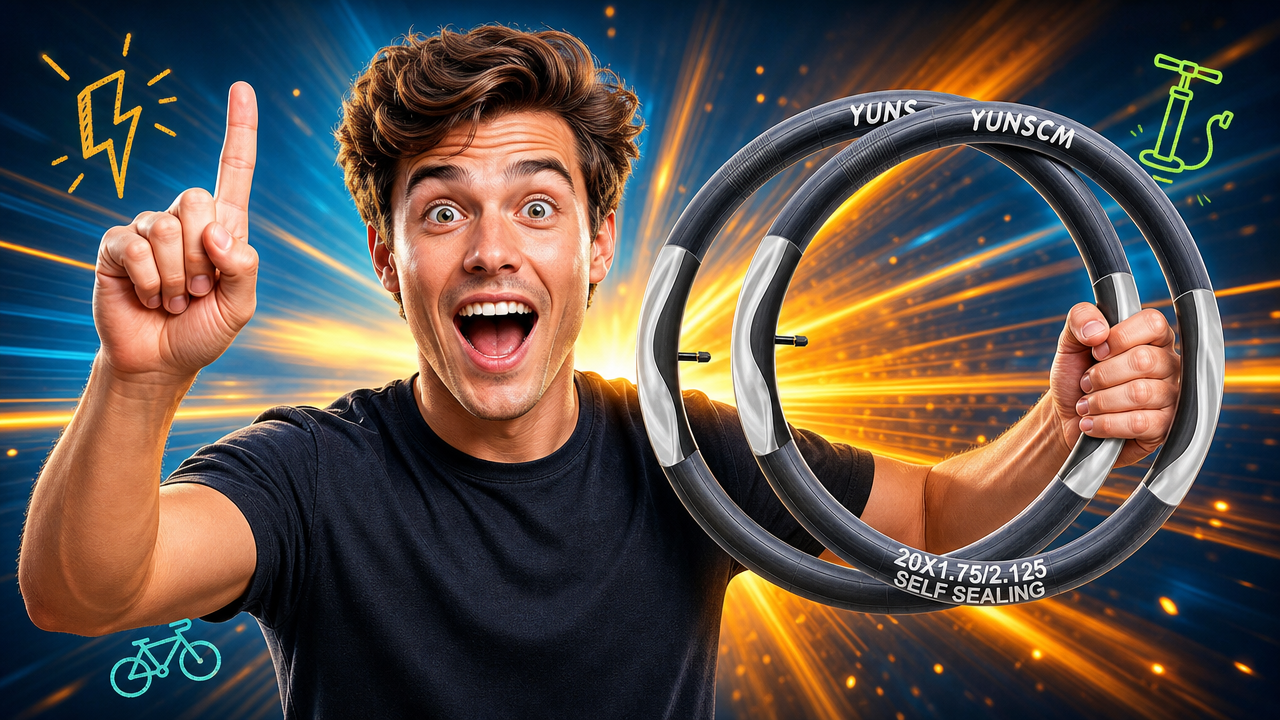
A slow leak from a tiny thorn or a stray staple is one of the most common reasons a 20-inch bike ends up parked in the garage. The YunSCM 2-pack of self-sealing inner tubes targets exactly that problem, using a pre-loaded sealant that’s meant to plug small holes before they turn into a flat tire.
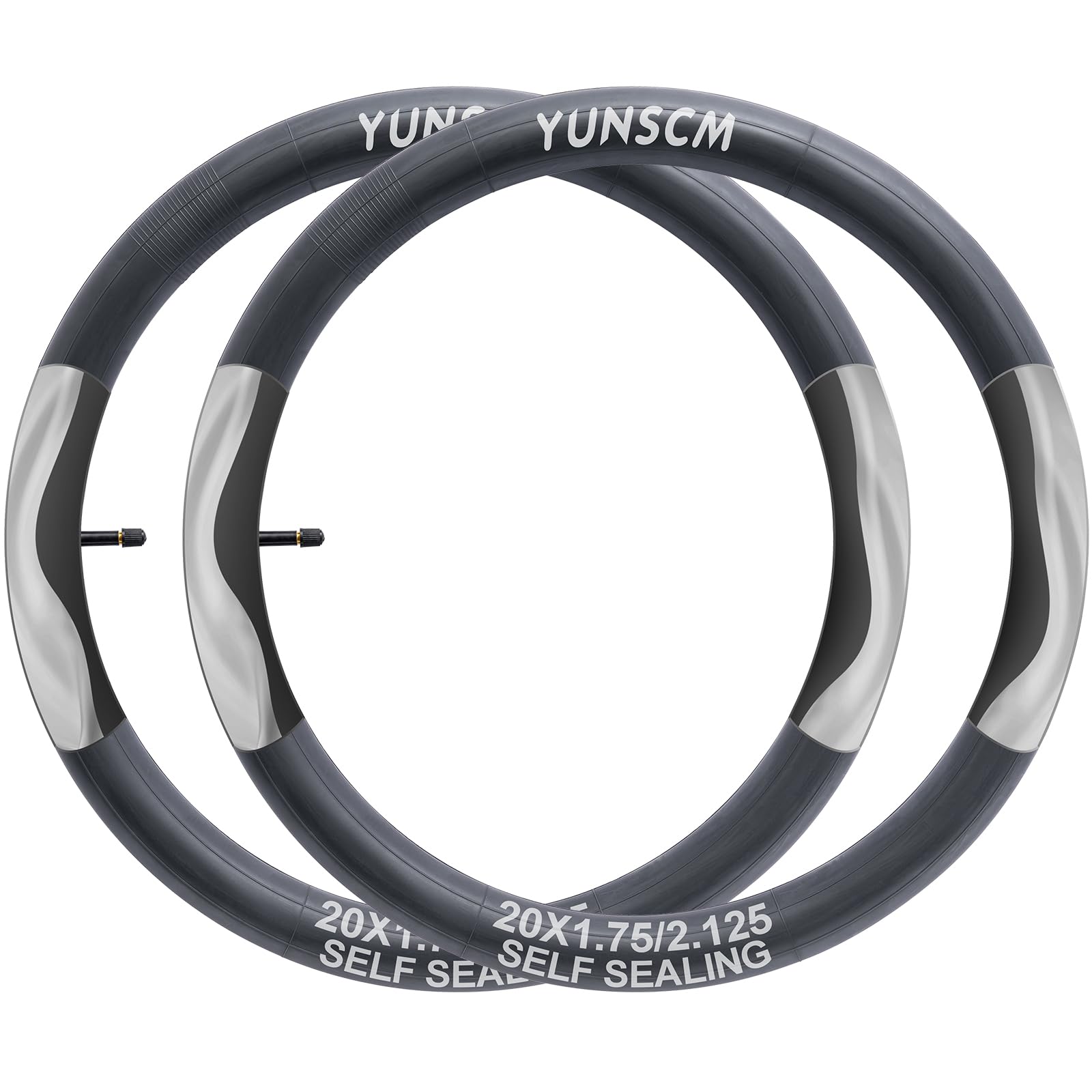
These tubes fit a wide range of 20-inch tire widths, from 1.75 up to 2.125 inches, which covers most kids’ bikes, BMX bikes, folding bikes, and junior mountain bikes. The core appeal here is simple: a butyl rubber tube with sealant already inside, designed to close minor punctures without pulling the wheel off. Buyers have also found extra use for them in garden carts and wheelbarrows, which says something about how tough the tube material feels in practice.
Bottom Line
For riders and parents tired of patching the same tube every few weeks, this pack offers a reasonable, affordable upgrade. Check the current price and availability of the YunSCM 20-inch self-sealing tubes on Amazon.
Overview: YunSCM 20-Inch Self-Sealing Bike Tubes
This is a two-tube pack built for 20-inch wheels, covering tire widths from 1.75 to 2.125 inches. That range includes most kids’ bikes, BMX setups, city cruisers, and folding bikes with a Schrader (AV) valve.
Each tube uses butyl rubber with sealant already inside, so there’s no separate step to add fluid before installation. YunSCM backs the pack with a 180-day warranty, which gives buyers a modest safety net if a tube arrives defective.
With an average rating built from hundreds of customer reviews, the pack lands in solidly positive territory for a budget-priced bike part. It won’t replace a full tire inspection or professional repair for larger tears, but for everyday punctures it’s a low-cost way to cut down on flat-tire frustration.
How the Pre-Installed Sealant Helps Prevent Flats
The sealant inside each tube works by flowing to the site of a puncture and hardening enough to plug it. YunSCM states that under normal conditions, small leaks seal within 5 to 8 seconds, which is fast enough that a rider might not even notice the tire lost pressure.
This only works within limits. The fluid handles pinhole leaks and fine cracks, not large tears or blowouts from a sidewall cut. Riders should still carry a patch kit or spare tube for bigger damage on longer rides.
Temperature matters too. YunSCM notes the sealant stays effective down to -15°C (5°F), which covers most winter riding conditions in the continental US without needing a warm-weather-only tube swapped in each season.
Automatic Sealing for Small Punctures
The self-sealing action is passive, meaning it happens without the rider stopping to check the tire. A nail or thorn that pokes a small hole triggers the sealant to move toward the puncture point and close it from the inside.
Reviewers who used these tubes on garden carts and wheelbarrows describe them holding air reliably under heavier-than-expected loads, which is a rough indicator that the seal holds under real pressure. One buyer running over 400 pounds in a wheelbarrow reported no leaking, well past what the tube specs suggest it’s built for.
Puncture-Resistant Butyl Rubber Construction
Butyl rubber gives these tubes a working balance of flexibility and resistance to abrasion. It’s the standard material for bike inner tubes because it holds air well and resists small cuts better than thinner alternatives.
YunSCM describes the construction as built to withstand extra friction and wear, which should translate into fewer replacements over the life of the tire. Customer feedback largely backs this up. Several reviewers called the tubes “industrial quality” and noted they felt thicker than a typical replacement tube.
That added thickness is worth knowing before installation. A tube that feels stiffer than expected isn’t defective. It’s part of the design meant to add durability. One reviewer did report a tube ballooning unevenly after inflation, so checking valve alignment and even seating in the rim before pumping to full pressure is a reasonable precaution.
20-Inch Tire Fit and Schrader Valve Compatibility
These tubes fit 20-inch wheels with a tire width between 1.75 and 2.125 inches, covering the AV32mm Schrader valve size. A Schrader valve is the same wider valve style found on car tires, so anyone who’s aired up a car tire will recognize the fit immediately.
Before buying, measure the existing tire’s sidewall markings for both wheel diameter and width. A tire marked 20×1.75, 20×1.95, 20×2.0, 20×2.10, or 20×2.125 falls within this tube’s compatible range. Wheels outside 20 inches, or valve stems in the narrower Presta style, need a different tube entirely.
Which Bikes and Utility Carts Can Use These Tubes
Bikes with 20-inch wheels and Schrader valves are the primary fit: kids’ bikes, BMX freestyle bikes, junior mountain bikes, city commuters, and folding bikes. Anyone shopping for a child’s first bike upgrade or a commuter spare should find this range covers most common tire widths sold for that wheel size.
Utility use adds a second category worth noting. Garden carts and wheelbarrows using 20-inch wheels with matching tire widths have worked well for several reviewers, based on their own experience swapping factory tubes for these.
Installation and Inflation Considerations
Installing these tubes follows the same basic process as any inner tube swap: remove the tire from the rim, insert the tube with the valve aligned to the rim hole, then seat the tire bead back into place. YunSCM notes checking valve position carefully, since misalignment can cause the tube to pinch during inflation.
One inflation detail deserves attention. Because the sealant is a liquid, it can shift inside the tube depending on how it’s positioned when air is added. YunSCM advises against concentrating weight or letting the fluid pool near the valve stem while pumping, since that can interfere with a clean inflation.
A slow, steady pump with the wheel rotated occasionally during inflation helps distribute the sealant evenly. Rushing this step is likely behind at least one reported case of a tube inflating unevenly, so a little patience during setup goes a long way.
Pros and Cons
Weighing this pack against a standard replacement tube comes down to a few clear trade-offs. The sealant and thicker rubber add real puncture protection, but they also add a bit more complexity during installation.
Pros
- Pre-installed sealant seals small punctures in seconds without removing the wheel
- Fits a wide tire width range (1.75 to 2.125 inches) on 20-inch wheels
- Butyl rubber construction feels thicker and more wear-resistant than basic tubes
- Works in cold weather down to -15°C
- Doubles as a durable tube for garden carts and wheelbarrows
- Backed by a 180-day warranty
Cons
- Sealant only handles small holes, not large tears or blowouts
- Requires careful inflation technique to avoid uneven fluid distribution
- A small number of buyers reported tubes that didn’t match expected sizing or inflated unevenly
- Adds slightly more weight than a standard non-sealing tube
Customer Reviews and Real-World Feedback
Feedback on these tubes leans positive, with many buyers praising the fit, build quality, and easy installation. Several reviewers specifically mentioned the tubes arrived on time and matched the tire and rim size they ordered for.
The utility-cart use case shows up more than once, with owners of Rubbermaid garden carts and wheelbarrows reporting no leaks even under heavy loads. That’s a useful data point for anyone considering these tubes outside standard bike use.
Not every review was glowing. One buyer described a tube that didn’t match the product photos and swelled unevenly after inflation, ultimately requiring the valve stem to be pulled and the tube discarded. This kind of quality-control complaint appears to be the exception rather than the norm, based on the broader pattern of positive comments, but it’s worth checking the tube carefully before a long ride.
International buyers, including reviewers writing in French, Spanish, and German, also reported satisfaction with fit and thickness compared to standard tubes.
Conclusion
This YunSCM 2-pack gives 20-inch bike owners and utility-cart users a practical way to cut down on flat tires caused by small punctures. The sealant won’t fix a major blowout, but for thorns, staples, and slow leaks, it offers a real layer of protection that a standard tube doesn’t.
Fit is straightforward as long as the tire width falls between 1.75 and 2.125 inches and the valve is Schrader style. Installation takes a bit more care than a basic tube swap, mainly around inflation technique, but the process stays within reach for anyone comfortable doing routine bike maintenance at home.
Buyers should check tire markings against the compatible size range before ordering, keep an eye out for uneven inflation during setup, and treat the sealant as a helpful backup rather than a replacement for tire inspections.